

Learn how to automate tasks with Python using real-life examples, beginner-friendly scripts, and practical automation projects. A complete guide for daily, office, and repetitive task automation.
This in-depth guide explains how to automate tasks with Python, covering daily workflows, office automation, repetitive tasks, and practical Python automation projects for beginners and beyond.
Automation is no longer a luxury skill—it’s a productivity multiplier. If you’ve ever copied data between spreadsheets, renamed dozens of files, or repeated the same office task daily, learning how to automate tasks with Python can completely change how you work. Python’s simplicity, massive ecosystem, and real-world practicality make it the top choice for automation beginners and professionals alike.
This pillar guide walks you step by step through how to automate tasks with Python, starting from zero and progressing to advanced automation workflows. You’ll see real-life examples, simple scripts, and practical use cases that show exactly how Python automation fits into everyday work.
Learn how to automate your daily tasks, blogging workflow, and business processes using smart tools and simple methods. From social media scheduling to full website automation — we’ve got it covered.
Why Python Is the Best Language for Task Automation
Python dominates automation for a reason. Its readable syntax, cross-platform compatibility, and rich library ecosystem allow you to automate almost anything—from emails to spreadsheets to web tasks.
When learning how to automate tasks with Python, you benefit from:
-
Minimal setup and beginner-friendly syntax
-
Thousands of automation-focused libraries
-
Strong community support and documentation
-
Applicability across office work, development, and data tasks
Python automation isn’t about theory—it’s about saving time today.
Simple Task Automation Using Python Scripts for Faster
Simple task automation using Python scripts allows you to eliminate repetitive manual work, streamline workflows, and scale productivity with minimal code. This in-depth guide covers real-world automation examples, tools, and best practices.
Article is a complete, SEO-focused, long-form guide on simple task automation using python, designed for beginners and intermediate users who want practical, real-world automation skills. You will learn:
- What task automation really means
- Why Python is ideal for automation
- Essential tools and libraries
- Step-by-step automation examples
- Best practices for scalable automation
- Real business and blogging use cases
What Tasks Can You Automate with Python?


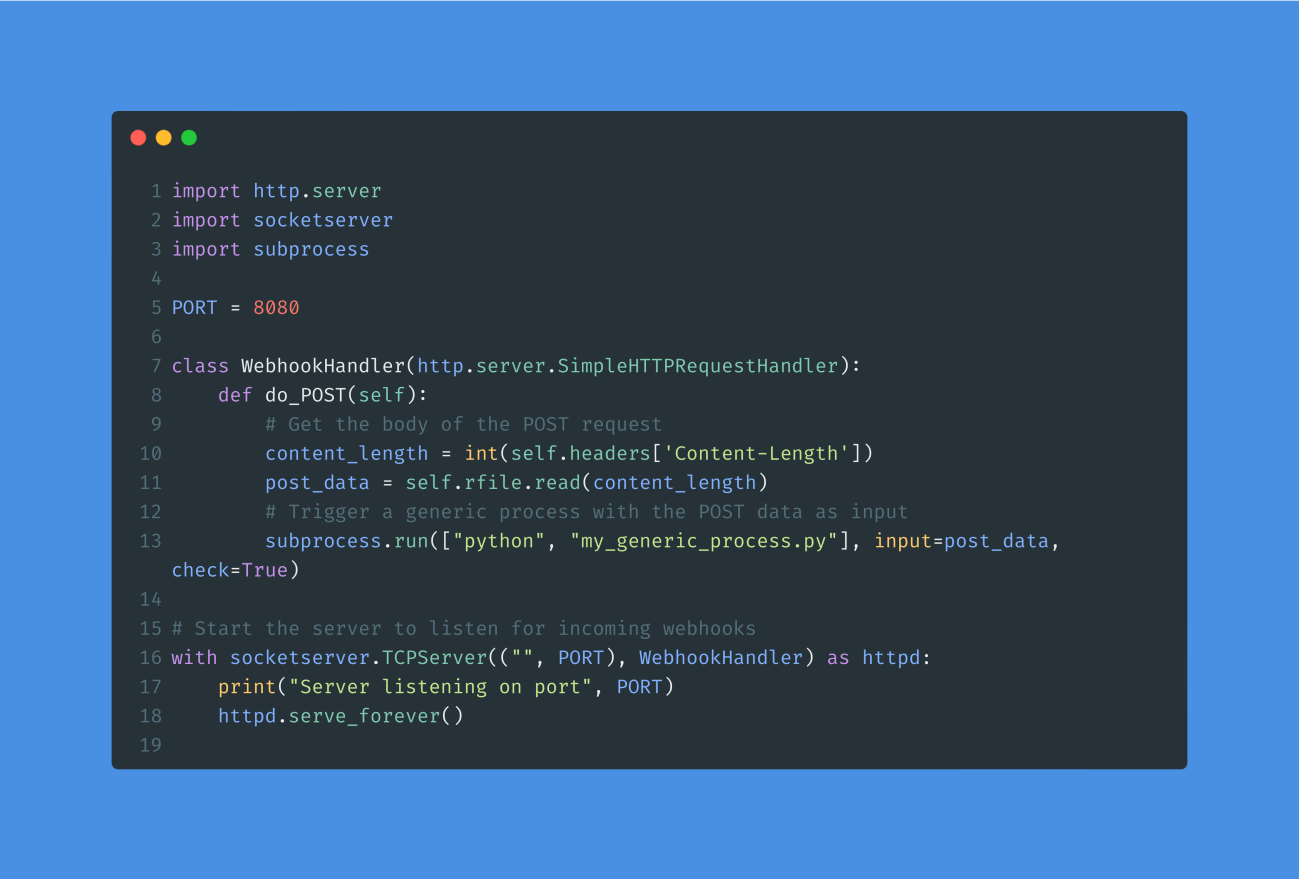
Before diving into code, it’s important to understand the scope of automation. Once you understand how to automate tasks with Python, you’ll realize how many workflows are repetitive and predictable.
Common Tasks Python Can Automate
-
File and folder organization
-
Email sending and inbox filtering
-
Spreadsheet updates and data cleaning
-
Web scraping and form submission
-
Report generation
-
Office workflows and scheduling
These examples form the foundation of task automation with Python examples you’ll build throughout this guide.
Python Automation for Beginners: Start from Zero
If you’re new, don’t worry. Learning how to automate tasks with Python does not require advanced programming knowledge.
Step 1: Install Python and Tools
-
Install Python from the official site
-
Use a code editor like VS Code or PyCharm
-
Learn basic syntax (variables, loops, functions)
Step 2: Understand Automation Logic
Automation scripts follow a simple pattern:
-
Input (files, emails, data)
-
Processing (logic and rules)
-
Output (updated files, messages, reports)
This mindset is essential when learning python automation for beginners.
Simple Task Automation Using Python Scripts


Let’s look at simple task automation using Python scripts that beginners can implement quickly.
Example: Automating File Renaming
Manually renaming files is a classic automation win.
What Python does:
-
Scans a folder
-
Applies a naming rule
-
Renames all files automatically
This is a perfect starting point for anyone learning how to automate tasks with Python because it demonstrates immediate value with minimal complexity.
Automate Daily Tasks with Python: Real-Life Examples
Once you grasp the basics, the next step is to automate daily tasks with Python that consume time every day.
Example 1: Automating Email Reports
Python can:
-
Pull data from spreadsheets
-
Generate summaries
-
Email reports automatically
Example 2: Automating Data Cleanup
Instead of manually fixing CSV files:
-
Python cleans data
-
Removes duplicates
-
Standardizes formatting
These automate daily tasks with Python examples show how small scripts deliver big productivity gains.
Automate Repetitive Tasks with Python (Step-by-Step)


Repetition is the clearest sign that automation is needed. Learning how to automate tasks with Python means recognizing patterns and eliminating manual repetition.
Step-by-Step Framework
-
Identify a repeated task
-
Break it into small steps
-
Write Python code for each step
-
Test and refine
Examples include:
-
Moving files daily
-
Generating weekly reports
-
Updating multiple documents
This structured approach defines automate repetitive tasks with Python workflows.
How to Automate Office Work Using Python
Office work is filled with predictable processes. Learning how to automate office work using Python can free up hours every week.
Office Automation Use Cases
-
Excel spreadsheet updates
-
PDF generation and merging
-
Email reminders and scheduling
-
Data entry automation
Python libraries like openpyxl, pandas, and smtplib make office automation practical and reliable. This is why professionals increasingly learn how to automate tasks with Python for workplace efficiency.
Task Automation with Python Examples for Real Workflows
Let’s connect everything with realistic task automation with Python examples used in real jobs.
Example: Automated Monthly Reporting
-
Pull data from multiple sources
-
Process and analyze it
-
Generate charts and PDFs
-
Email results automatically
Once built, this system runs unattended—proving how mastering how to automate tasks with Python delivers long-term value.
Python Scripts to Automate Boring Tasks


Boring tasks drain focus. Python thrives here.
Popular python scripts to automate boring tasks include:
-
Renaming thousands of images
-
Scraping websites for updates
-
Monitoring file changes
-
Auto-filling forms
Each script reinforces your understanding of how to automate tasks with Python while improving daily productivity.
Python Automation Projects to Build Practical Skills
Projects accelerate learning. The fastest way to master how to automate tasks with Python is by building real automation systems.
Beginner Automation Projects
-
Folder cleanup automation
-
Email notification bot
-
Simple web scraper
Intermediate Automation Projects
-
Invoice processing system
-
Office workflow automation
-
Data dashboard automation
Best Libraries for Python Task Automation
Knowing which tools to use is critical when learning how to automate tasks with Python.
Must-Know Automation Libraries
-
osandshutil– File automation -
pandas– Data manipulation -
schedule– Task scheduling -
selenium– Browser automation -
requests– API automation
Mastering these libraries transforms basic scripts into powerful automation engines.
Python Automation for Beginners
If you are a complete beginner, don’t worry. You don’t need to be a programmer, engineer, or tech expert to start. Python is famous for its simple syntax, readability, and beginner-friendly nature, making it the perfect first language for automation. This guide on python automation for beginners is written from a start-from-zero mindset, using simple language, real-life examples, and human-written explanations.
By the end of this article, you will:
- Understand what Python automation really is
- Know where automation is used in daily life and business
- Learn core Python concepts required for automation
- Explore beginner-friendly automation examples
- Build a clear learning roadmap from zero to confident automation user
Common Mistakes Beginners Make in Python Automation
When learning how to automate tasks with Python, beginners often:
-
Automate too much too soon
-
Skip error handling
-
Ignore documentation
-
Overcomplicate scripts
Focus on reliability, clarity, and incremental improvement.
How to Scale and Maintain Python Automation
Automation doesn’t end after the first script. Long-term success with how to automate tasks with Python requires maintenance.
Best Practices
-
Log script activity
-
Handle errors gracefully
-
Modularize code
-
Document automation workflows
These habits separate hobby scripts from professional-grade automation systems.
